Every facility manager who has replaced a ductwork run ahead of schedule knows what the real cost of a bad material decision looks like. It's not just the replacement. It's the emergency labor, the unplanned downtime, the regulatory exposure, the crew pulled off other projects to manage a system that should have lasted two more decades. Equipment life in corrosive environments doesn't come down to maintenance schedules alone. It starts with what you specify on Day 1.
The problem is that "corrosive environment" isn't one thing. Hydrofluoric acid exhaust from a semiconductor fab attacks ductwork differently than hydrogen sulfide from wastewater headworks, and neither resembles what a chrome plating line puts through an air system.
Specifying ductwork based on general corrosion resistance—without accounting for your particular exhaust chemistry, operating temperatures, and code requirements—is how facilities end up replacing systems they expected to run for 20 years.
Here's how material selection plays out across three of the most demanding industrial environments we work in.
Key Takeaways
- "Corrosive environment" isn't a single specification. H2S from a wastewater headworks, HF from a semiconductor fab, and chromic acid from a plating line each require a material decision made to that specific chemistry.
- FRP air duct is no longer the automatic default for municipal wastewater. Larger facilities are moving to SSTeelcoat for its Class 1 fire rating, NFPA 820 compliance, and maintenance-free service life.
- In semiconductor fabrication, SSTeelcoat is the preferred specification. The Halar/ECTFE coating, 300°F temperature rating, and bolt-together flange system outperform FRP where process uptime and installation flexibility matter most.
- Material selection in chemical processing isn't a checklist, but a chemistry conversation. Facilities that get it wrong aren't always choosing cheap materials. They're choosing the right material for the wrong application.
- The ductwork decision and the system design are the same decision. A single manufacturer building ductwork, scrubbers, and fans together eliminates the failure points that mixed-material, multi-vendor systems create.
What Material Should Wastewater Treatment Facilities Use for Corrosive Ductwork?
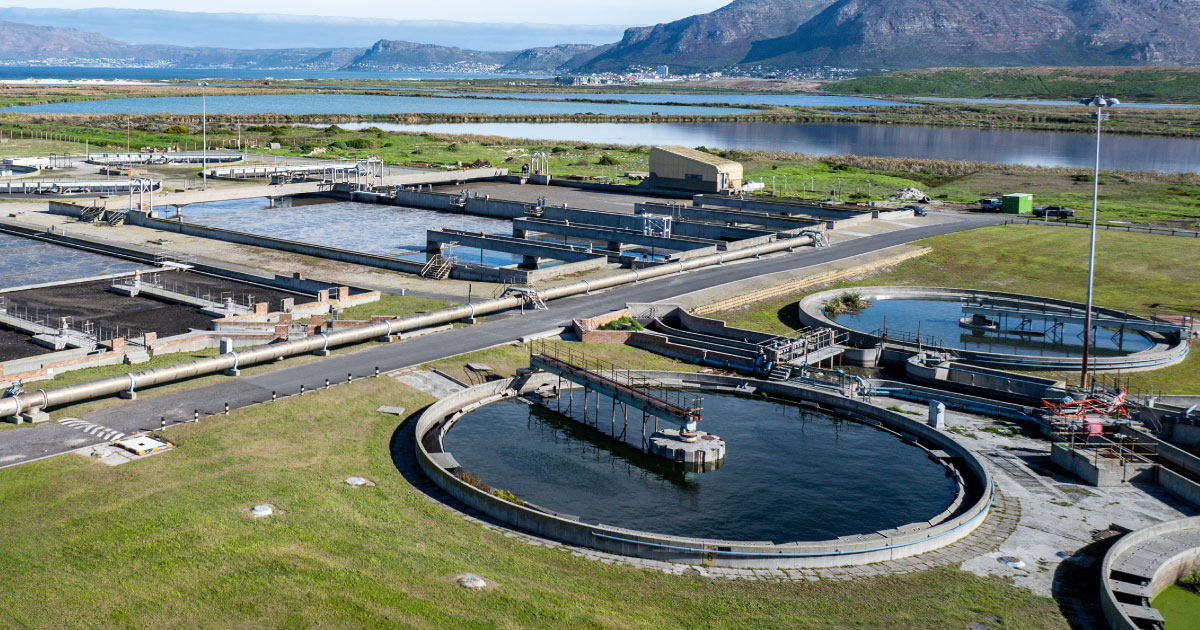
Wastewater treatment plants face a particularly aggressive exhaust problem. Hydrogen sulfide off-gassing from primary clarifiers, sludge handling areas, and headworks is relentless. Concentrations can spike. The exposure is constant, not intermittent. Carbon steel in this service doesn't degrade slowly; it fails suddenly, often from the inside out, without visible warning until a structural problem develops.
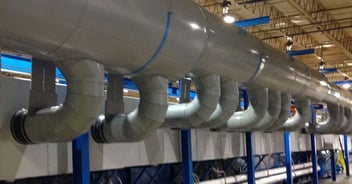
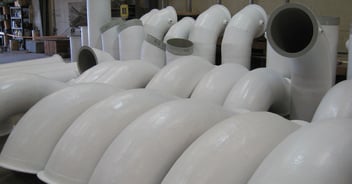
Historically, the municipal world has relied almost exclusively on fiberglass reinforced plastic duct for corrosive exhaust. That's still a well-supported choice. FRP air duct built with vinyl ester resins handles H2S and the broader chemical mix common in wastewater environments without rust, without paint cycles, and without the corrosion inspection burden that metal systems accumulate over time. Properly fabricated fiberglass reinforced plastic ductwork with a quality veil liner and controlled wall thickness consistently delivers 20-plus years of service in municipal applications.
But that picture is shifting. More and more wastewater facilities are expanding with SSTeelcoat coated stainless steel throughout.
We're seeing similar movement at larger treatment plants that are taking a harder look at life-cycle costs and code compliance.
- SSTeelcoat carries a Class 1 fire rating per ASTM E-84, complies with NFPA 820 and FM 4922, and can eliminate the need for internal sprinkler systems in some configurations—a project cost offset that makes the material premium easier to justify.
- For facilities where those code requirements are in play, or where maintenance-free operation over a long service cycle is the priority, SSTeelcoat is increasingly the right call.
FRP air duct still earns its specification in wastewater, though, particularly for scrubber yards, lower concentration gas streams, and projects where the chemistry is well understood and the budget is constrained.
What's changed is that it's no longer the automatic default for every municipal application. More engineers are asking the question rather than assuming the answer.
How Do Semiconductor Fabs Extend Ductwork Service Life?
Semiconductor fabrication exhaust doesn't sit still. The chemistry changes with process generations.
- A fab running today may be exhausting hydrofluoric acid, sulfuric acid, arsine, and phosphine across multiple exhaust streams—sometimes within the same building zone.
- A system failure in this environment creates more than a scheduled maintenance event; you’ll likely need an entire evacuation.
SSTeelcoat is our preferred specification for most semiconductor applications. The Halar/ECTFE coating provides broad chemical resistance, and the underlying stainless steel substrate handles temperatures up to 300°F continuous—well above what thermoplastics tolerate and beyond what most FRP laminate schedules accommodate.
The bolt-together flange system matters here, too.
When a process change requires a duct modification or extension—which happens regularly in semiconductor facilities—SSTeelcoat accommodates that without laminate work. In a fab where process uptime is directly tied to revenue, that's not a minor convenience.
Fiberglass reinforced plastic ductwork still has a role in semiconductor applications.
A $3.2 million FRP scrubber installation demonstrates exactly where the material belongs: exhaust chemistry that's been verified against vinyl ester resin, applications where structural weight savings matter, or expansions of existing FRP systems where material consistency across connection points is the cleaner engineering decision. Resin selection has to be deliberate.
The specific chemicals and concentrations in your exhaust stream determine whether standard vinyl ester is sufficient or whether a more chemically resistant formulation is required.
What Ductwork Materials Work Best in Chemical Processing and Metal Finishing?
Chemical processing and metal finishing operations cover a wide range of exhaust chemistry—chromic acid and cyanide from plating lines, solvent vapors from finishing operations, acid fumes from etching. An aircraft chemical line runs FRP wet scrubbers and fans handling exactly this kind of aggressive exhaust. That system works because the material was specified to the chemistry, not selected by default.
Metal finishing exhaust carries regulatory weight that general ventilation doesn't. Chrome plating operations face particularly stringent emissions requirements in many states—California's hexavalent chrome standards are a case in point. When an air system fails in that environment, the call to regulators follows quickly. The remediation costs—fines, emergency labor, lost production—make the original material price difference look small.
Choosing between SSTeelcoat and FRP in chemical processing isn't a checklist exercise, but a conversation about what's in your particular exhaust stream. Temperature matters. Whether there are outdoor runs matters. Whether the space requires a Class 1 fire rating matters. SSTeelcoat covers more of those variables with a single material specification. FRP covers fewer—but for the applications where it fits, it fits well, and it's done so for 20-plus years at installations we still service today.
The mistake we see most often is a facility selecting material based on purchase price or what the last project used, without verifying that choice against the current chemistry. In chrome plating or chemical processing, that gap between assumption and reality is where containment failures happen.
Extending Equipment Life in Corrosive Environments: Material Selection by Industry
Specifying the wrong ductwork material doesn't show up on day one. It shows up five years later—in emergency labor, unplanned downtime, and replacement costs nobody budgeted for.
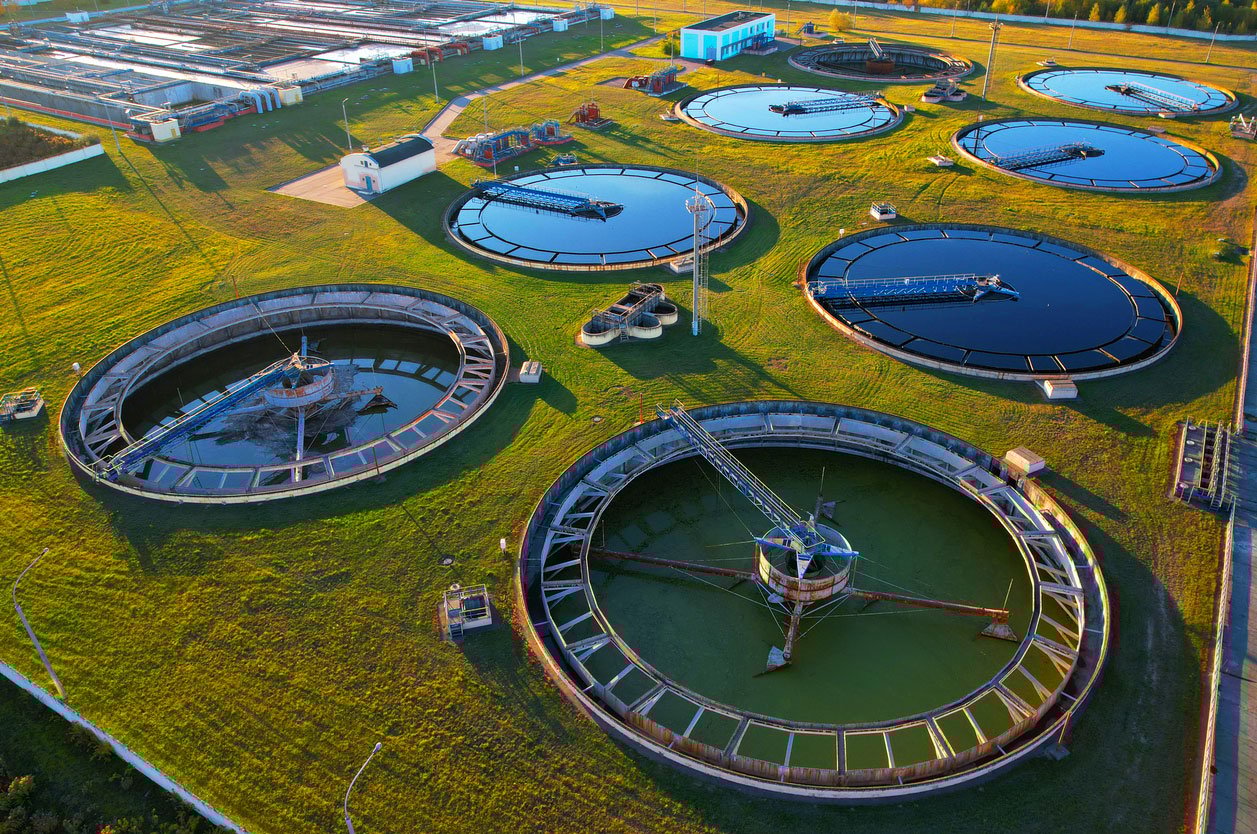
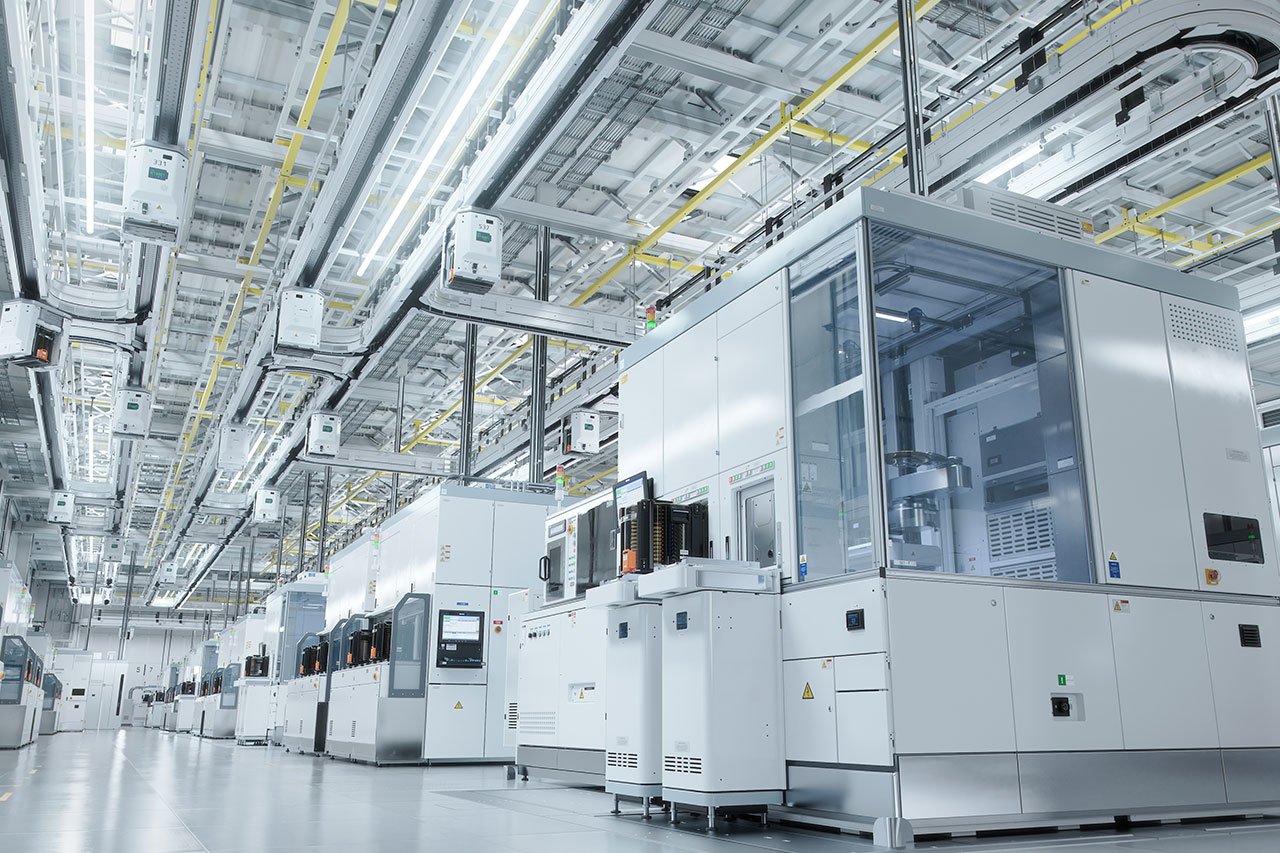
Wastewater Treatment
Semiconductor Fabrication
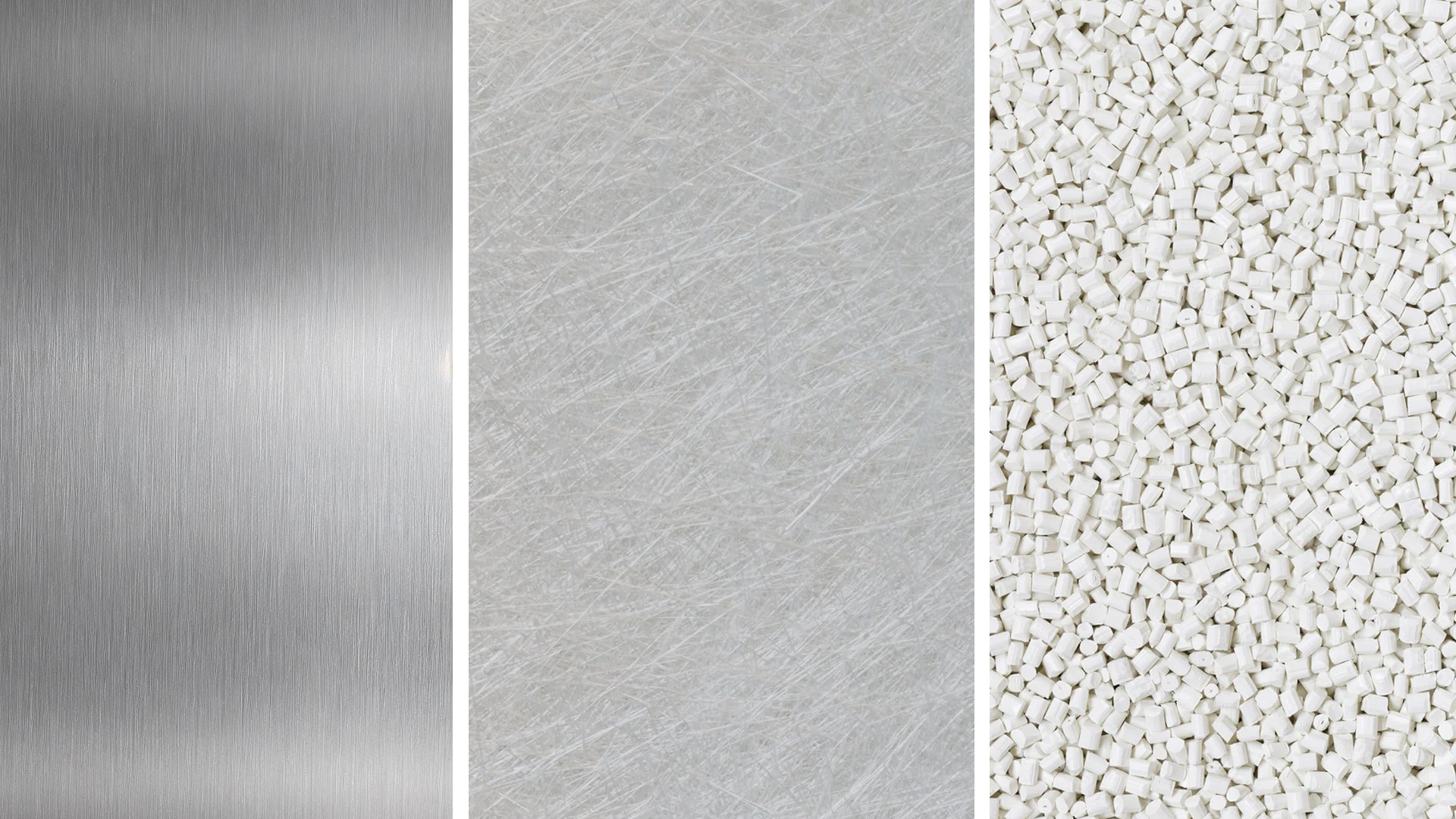
SSTeelcoat is the preferred specification. 300°F continuous rating, broad chemical resistance, bolt-together flanges.
Chemical Processing & Metal Finishing
Material selection starts with exhaust chemistry, not budget or habit. Ex: an aircraft facility runs FRP scrubbers built to the specific chemistry, not the lowest bid.
The system rule that applies everywhere:
One manufacturer. One engineering team. No finger-pointing when something fails.
Why Material Selection Is a System Decision, Not a Component Decision
Ductwork doesn't operate in isolation. It connects to wet scrubbers, fans, dampers, and stacks. When those components come from different manufacturers, you inherit a coordination problem that nobody owns. Submittals don't align. Dimensions conflict. Pressure drop calculations get passed between vendors like a hot potato. And when the system underperforms—because something always eventually goes wrong—every vendor points at someone else's component while your facility sits idle.
We build the entire system: Hoods, blast gates, dampers, ductwork, scrubbers, fans, stacks, and controls—all manufactured in-house, in SSTeelcoat, FRP, or PVC, depending on what the specific application requires.
We're the only manufacturer in the United States that does this across all three material platforms under one roof. That means the pressure drop calculations, the material compatibility, and the dimensional fit are all our problem to solve before the equipment ships. Not yours to sort out on a job site with three vendors on the phone.
If you're early in the material selection conversation for your next project, that's where we want to talk to you, before the spec is locked and the options are limited. The facilities that get this decision right once don't think about their ductwork again for 20 years. The ones that don't are calling for emergency quotes while production sits idle. Both outcomes start at the same spec sheet.
Viron designs and manufactures custom industrial air cleaning systems for every major industry, with every product available in SSTeelcoat, fiberglass, and PVC. Request a custom quote for your duct system today.